It’s no secret that I enjoy fantasy. My favorite series of all time is The Broken Earth by N.K. Jemisin, and Christopher Paolini’s Eragon was the first book that made me want to write my own stories. At first I thought that fantasy was just a fun genre. Who doesn’t like stories about dragons and elves? I challenge you to show me even a single child who hasn’t dreamt of casting spells or being the hero of their own medieval quest to save the kingdom. The world of fantasy was my first taste of what stories could really do to immerse their audience, and opened my eyes to the ways in which the worlds we imagine can speak about the world we inhabit.
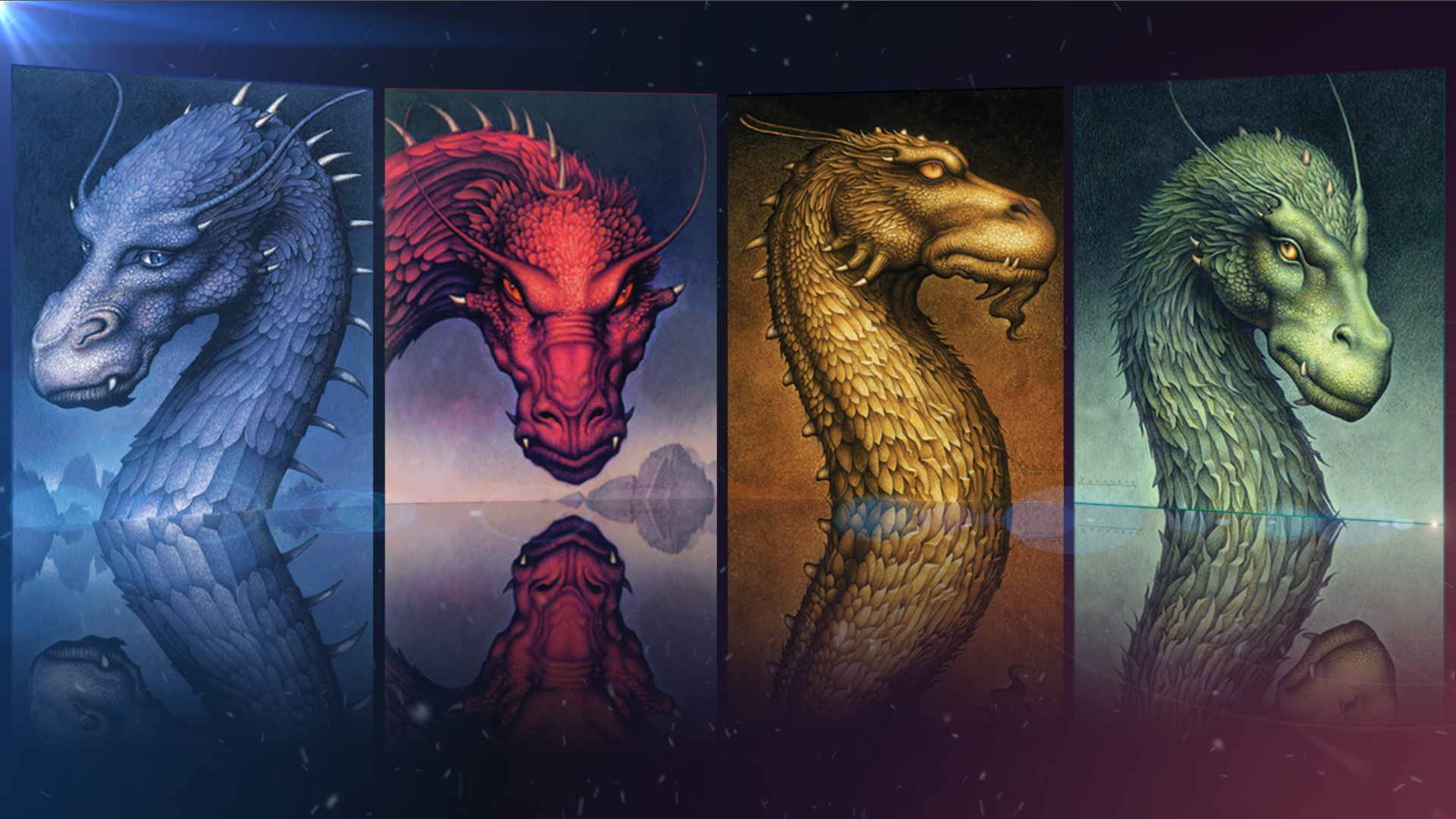
Obviously none of what I said is limited to fantasy but that is where my introduction to these concepts began. The first book to make me pay attention in an English class was Chris d’Lacey’s The Fire Within. The idea of small ceramic dragons that came to life grabbed onto my young imagination and never truly let go (I don’t believe any of the worlds I’ve built have lacked at least a reference to dragons). Once I was interested in it writing became an obsession. I wanted to learn as much as I could, and make my writing as great as it could be. Literature was my passion, and I obsessed over works of fiction until I was burnt out. I took every literature class I could in high school. Eventually I stopped reading for pleasure, and had been writing much less frequently. My passion was gone, and while I still appreciated the works I could no longer bring myself to truly enjoy them.
This period of burnout lasted for maybe two years. Within that time I continued taking literature classes, convinced that I was just in a funk and would start enjoying it again soon. The classics were a slog but they were important, right? How else would we learn about great writing? Even as I convinced myself of that I strayed further and further from literature, instead playing more video games and watching anime to pass my free time. Eventually a friend recommended to me Mob Psycho 100, a short manga about a boy with psychic powers. In it, I found what I had been missing.
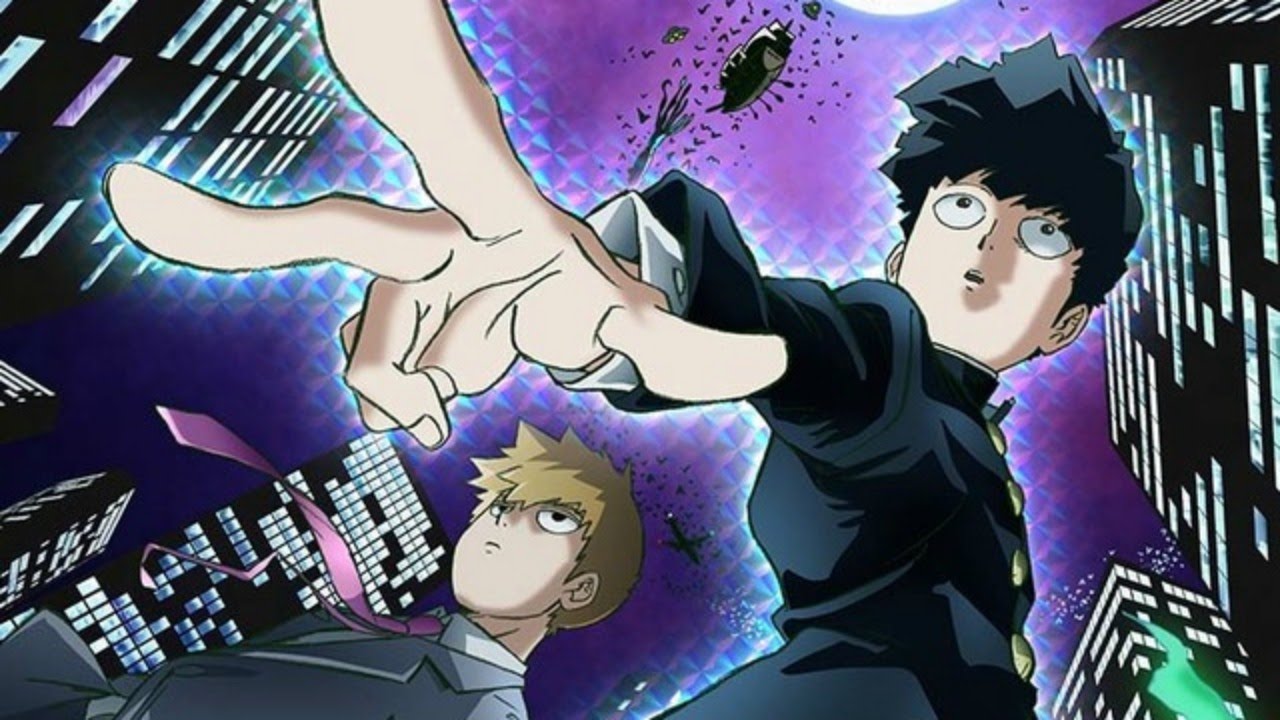
High school literature courses are very focused. They insist on showing the classics and making us well-versed in what they have deemed great literature. In doing so they convince students that this and only this is what can pass as great literature. Yet, I can’t think of any way to describe Mob Psycho 100 besides great literature. No high school literature course would ever teach it, but the series has some of the most incredible and real character development I’ve ever seen and is capable of controlling its reader’s emotions seemingly without trying. Reading Mob Psycho finally made me realize that “great literature” is ultimately a useless term. Something might be very well written, and might have been an influential work in its field, but the idea that so many high schools seem to promote that ascribes greater value to “classic” works is worthless. Being taught about classic works of literature never made me appreciate the ways that writing can grab a reader because they weren’t set in a world I understood. I didn’t live in the world that Shakespeare wrote about in Hamlet. I can relate to some of the basic feelings, yes, but the nuances of the period are lost on me. Mob Psycho is a world I can immediately relate to because it’s a world I live in. The Fire Within made me feel the way it did because I understood being a kid in a small suburb. Literature can make the world we live in feel so much more alive by making it more interesting, but that can’t happen if we focus on literature that’s not about our world. We have modern day Shakespeares, we just have to choose to read them.
For some more information on Mob Psycho I would recommend Super Eyepatch Wolf’s video Why You Should Watch Mob Psycho 100. His videos, along with channels like Overly Sarcastic Productions helped me form some of my opinions on this topic by presenting non-conventional art forms as stories worth great praise.

 Luca's Roost